For people in the UK with physical or mental difficulties, understanding Personal Independence Payment (PIP) can simplify access to support.
This benefit helps with extra costs linked to long-term conditions or disabilities. This guide explains eligibility, claims, evidence, assessments, decisions, and support. It shows how to prepare each stage with clear examples.


What Is Personal Independence Payment and Who Is It For?
PIP provides financial support to eligible people aged 16 to State Pension age whose condition affects daily living or mobility. It is based on how a condition affects everyday activities rather than income or employment status.
How PIP Differs from Disability Living Allowance (DLA)?
PIP replaced DLA for most working-age adults, although some people still receive it. PIP uses an activity-based assessment focused on how safely and reliably someone completes tasks. Awards may be reviewed when circumstances change.
Eligibility Criteria: The Core Requirements
Eligibility depends on age, residence, and the lasting impact of a condition or disability. Applicants normally need difficulties for at least three months and expect them to continue for nine months. Special rules apply for terminal illness.
Why a Successful PIP Claim Matters?
A successful award can help with extra costs for transport, personal care, mobility, or daily support. It may also support independence by making everyday needs easier.
Financial Support: The Types of PIP Payments
PIP has daily living and mobility components, each paid at a standard or enhanced rate. The level depends on the points awarded during assessment. Some claimants qualify for one component, while others receive both.
How to Start a PIP Claim: The Initial Steps
The first stage is usually to call DWP or use another claim route to provide basic information. Preparing details beforehand can reduce delays and simplify initial contact.
Information You’ll Need for the First Contact
Having the required details ready can help the DWP open the claim accurately. Keep records nearby so you can answer questions without searching.
- Personal details, including name, address, and date of birth
- National Insurance number
- Bank or building society account information
- Contact details for healthcare professionals
- Dates of hospital stays, when applicable
The PIP2 Form: Describing Your Daily Life
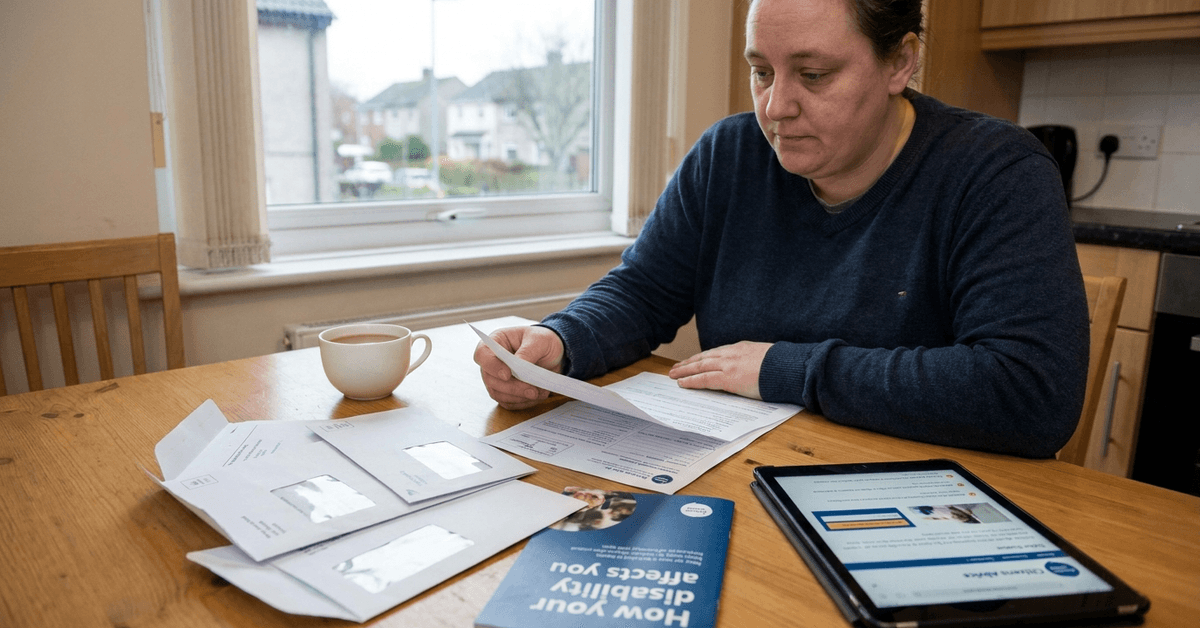
After the initial claim, you may receive the “How Your Disability Affects You” form, called PIP2. It asks for detailed examples about cooking, dressing, managing treatments, and getting around.
Hints for Communicating Your Challenges
When you fill Assessment Form sections, explain typical and difficult days. Specific examples can show whether activities take longer, require help, create risk, or cannot be completed reliably. Brief notes may help you remember difficulties otherwise overlooked.
Collecting and Presenting Evidence
Supporting documents can explain the practical effects of your condition beyond the form. Evidence should relate to described difficulties; statements from friends or relatives may also add useful context.
Examples of Useful Evidence
Before submitting your claim, gather medical evidence that supports the problems described in your answers. Useful documents can come from healthcare professionals, care services, or records showing effects on everyday life.
- Consultant or GP summaries
- Prescription lists
- Council care assessments
- Letters from therapists or support staff
- Daily diaries showing changing symptoms or limitations
The PIP Assessment: What to Expect
Many applicants complete an independent assessment by phone, video, or in person. The assessor does not diagnose you but focuses on daily living and mobility effects.
Typical Assessment Questions
If asked to attend face-to-face evaluation, prepare to explain your difficulties consistently with information provided. Questions may cover practical tasks, safety, assistance, prompting, and difficult days.

- How long does it take you to prepare a meal from scratch?
- Do you need reminders or help to take medication?
- Can you safely use public transport alone?
- What happens on a difficult day for your condition?
After the Assessment: Understanding the Decision
After considering the information, the DWP sends a written decision explaining whether PIP has been awarded. The letter sets out points for activities and any payment level.
How to Respond to an Unsuccessful Claim?
A refused claim does not end the process because applicants can challenge a decision they consider incorrect. A mandatory reconsideration asks the DWP to review the decision and reasons. Clear examples, evidence, and advice may help with that request.
Common Challenges and How to Navigate Them
The PIP process can involve waiting, unfamiliar wording, and questions that may not reflect daily experience. Independent guidance can make forms, deadlines, and assessment requirements easier to understand.
Support Services That Can Assist Applicants
Several organisations provide benefits guidance for people making or challenging a PIP claim. Assistance varies, so check what support is available locally or online.
- Citizens Advice
- Scope
- Turn2us
- Your local council social care team
Tips for a Stronger PIP Application
A careful application should focus on specific examples instead of broad statements. Reviewing answers before submission can identify missing information or inconsistencies.
Other Suggestions to Maximise Your Chances
Preparation can make the claim process easier to follow and document. Keep copies of materials for an assessment or review.
- Double-check your contact details and relevant dates
- Make handwritten answers clear, or type them where permitted
- Describe specific examples rather than general statements
- Keep a copy of your PIP2 form and submitted evidence
Legal, Tax, and Impact on Other Benefits
PIP is generally tax free and not means-tested, so earnings and savings do not determine entitlement. It may also help with support, including a Blue Badge, Motability, or Carer’s Allowance in some circumstances.
If Your Circumstances Change
If your condition or circumstances change, you may need to notify the DWP. Reviews can check whether the current award still reflects your needs. Updated records can make reviews easier if information is requested.
Additional Resources and Reliable Information
Official guidance provides the current rules on eligibility, claims, assessments, and changes. Independent organisations can explain forms, challenges, and steps in complicated cases.
Where to Check Current Guidance?
For information, GOV.UK provides PIP eligibility details and claim guidance. Citizens Advice and Scope also publish practical guidance on common questions. For unusual circumstances or disputed decisions, a benefits adviser can explain available options.
Conclusion
Applying for PIP becomes manageable when each claim stage uses clear examples. Accurate forms and evidence can help the DWP understand effects on daily life.
Applicants should keep copies and use guidance when questions arise. Understanding review options can help if the first decision does not reflect needed support.