Seikatsu Hogo, or Livelihood Protection, is Japan’s public assistance system for people facing financial hardship. It supports households whose resources and income remain below the minimum-living standard.
This guide explains eligibility, assistance, applications, documents, and responsibilities. It also covers foreign-resident rules, appeals, and work income.



What Is Seikatsu Hogo? Understanding Japan’s Livelihood Protection
Seikatsu Hogo operates under Japan’s Public Assistance Act and aims to guarantee a minimum standard of living while supporting independence.
Assistance can cover daily living, housing, education, medical care, nursing care, childbirth, employment-related needs, and funeral expenses.
Who Can Qualify for Livelihood Protection?
Eligibility is assessed by household rather than through one fixed income number. Applicants must use income, assets, work capacity, other benefits before assistance fills the gap.
- Household income: Recognized income must fall below the minimum-living amount calculated for the household.
- Available assets: Savings and property not needed for daily life may need to be used first.
- Work capacity: People who can work are generally expected to use their ability appropriately.
- Other benefits: Pensions, allowances, or other available programs normally take priority.
- Family support: Assistance relatives can realistically provide may be considered, although permission is not required before applying.
Owning a home or vehicle does not make an application impossible because exceptions exist. The welfare office considers actual household conditions rather than one simple checklist.
Types of Support Under Seikatsu Hogo
Seikatsu Hogo includes several forms of assistance matched to essential expenses. A household may receive multiple categories when justified.
- Living Assistance: Supports basic expenses such as food, clothing, and utilities.
- Housing Assistance: Covers eligible rent or housing costs within limits.
- Education Assistance: Helps with specified compulsory-education expenses.
- Medical Assistance: Covers eligible medical services through direct payment to providers.
- Nursing Care Assistance: Covers qualifying long-term care services.
- Childbirth Assistance: Helps with childbirth expenses within limits.
- Occupational Assistance: Supports certain employment skills or training costs.
- Funeral Assistance: Covers eligible funeral expenses within limits.
The amount depends on region, household, income, rent, and other circumstances. Benefits cover the verified shortfall between recognized income and the applicable minimum-living standard.
How Does the Application Process Work?
Applications are handled by the welfare office responsible for the applicant’s area. Understanding the review process can make interviews easier.
Initial Consultation at the Welfare Office
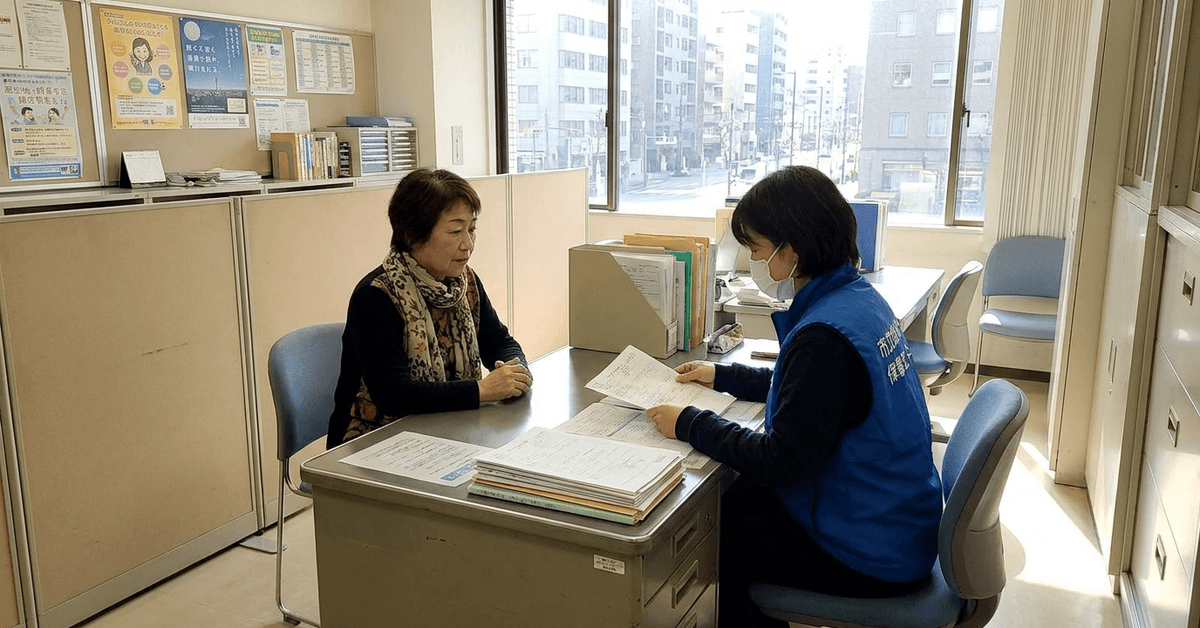
The usual first step is to visit local welfare office services and explain your financial situation. Staff describe Seikatsu Hogo and may discuss other available programs.
Applicants can consult caseworker staff about income, housing, employment, and urgent needs.
Document Collection and Submission
Applicants are asked for information needed to determine household circumstances. Required evidence varies, but accurate records help the review.
- Identification and residence information
- Rental agreement or housing details
- Bank statements and savings information
- Employment income or recent payslips
- Pension, allowance, or insurance information
- Medical documentation when relevant
- Information about property
Applicants may need to declare assets so the welfare office can determine which resources are available. Special circumstances can allow an application even when completing the standard written form is difficult.
Home Visit
A welfare official may visit the household to understand living conditions and confirm information. The visit forms part of the factual assessment used to determine need. Applicants should explain unusual circumstances accurately.
Review and Decision
The welfare office checks living conditions, savings, insurance, property, income, other benefits, family support, and work capacity.
Applicants may undergo income investigation and other verification needed for a decision. Approved assistance is calculated from the minimum-living standard minus recognized household income.
If Not Approved
A rejected applicant should review the written reason and ask about unclear points. Additional documents may resolve misunderstandings, while formal review procedures may be available for disputed decisions. Keeping copies of the application makes follow-up easier.
Documents Needed for Seikatsu Hogo Application
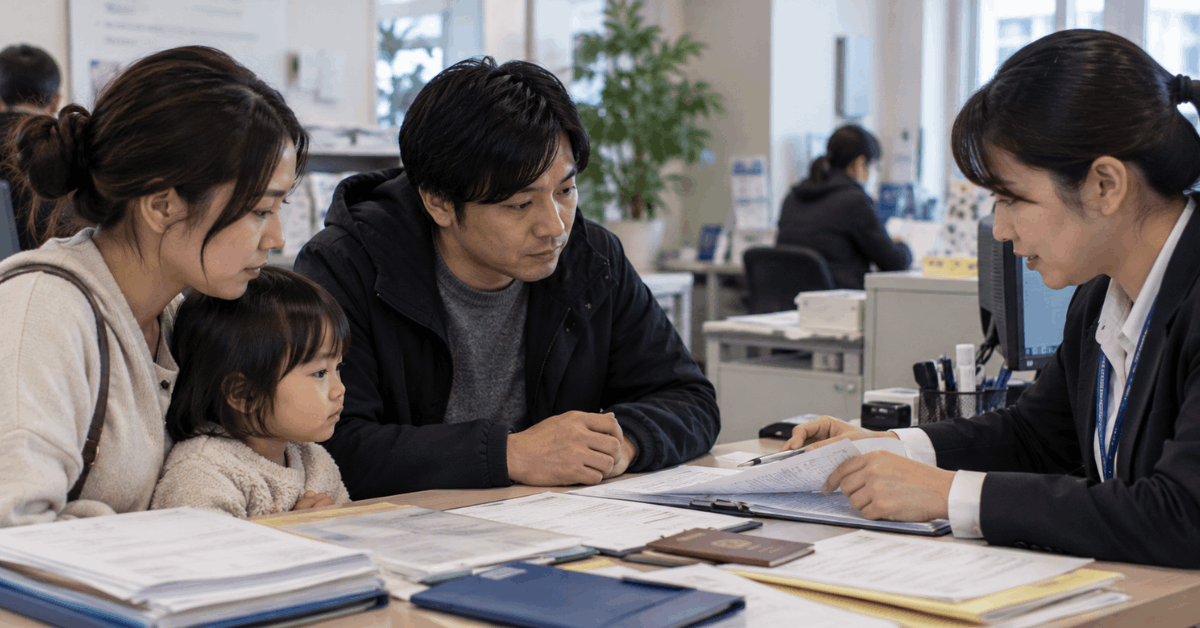
Exact documentation differs by household and municipality. The welfare office may request financial and residence records for verification.
- Application form
- Personal identification and residence information
- Bankbooks or account statements
- Employment and income records
- Pension and social-security benefit information
- Rental contract and housing-cost records
- Insurance information
- Medical certificates when relevant
A missing document does not always prevent an application. Staff can explain alternative evidence or next steps.
Key Points to Remember: Application Tips
Preparation and accurate disclosure can reduce delays. These practical habits can simplify communication.
- Keep copies of submitted forms and financial records.
- Explain irregular income, debts, health limitations, or family arrangements.
- Bring an interpreter or trusted supporter if needed and permitted.
- Respond promptly to requests for additional evidence.
- Report changes in income, employment, address, or household composition.
- Ask questions when instructions or calculations are unclear.
- Use official welfare-office or MHLW guidance for decisions.
Financial Considerations and Living on Livelihood Protection
Receiving assistance brings reporting responsibilities alongside financial support. Recipients must report income and cooperate with welfare-office reviews.
- Employment income is considered when the benefit amount is calculated.
- Pension income and other social-security payments are recognized as income.
- Welfare staff may conduct periodic household visits.
- People able to work can receive employment guidance or support.
- Relevant changes in assets, income, or household circumstances.
Working while receiving Seikatsu Hogo is possible when household income remains below the applicable standard. The benefit is adjusted according to recognized income rather than automatically ending when part-time work begins.
FAQs About Seikatsu Hogo
Common questions concern foreign residents, payment amounts, and immigration issues. Individual answers depend on legal status and circumstances, so official guidance matters.
Can Foreign Residents Apply?
The Public Assistance Act itself applies to Japanese nationals, but certain foreign residents can receive comparable protection as an administrative measure.
Eligible categories include permanent residents, long-term residents, certain spouses, special permanent residents, recognized refugees, and some other qualifying statuses. Foreign applicants should confirm their specific residence status with the welfare office.
What’s the Minimum or Maximum Benefit?
There is no single national payment for every household. The amount depends on location, household composition, age, housing costs, and other recognized needs.
Assistance generally covers the calculated difference between the minimum-living standard and recognized income.
Will Receiving Assistance Impact Future Visa Renewals?
Immigration decisions are separate from the welfare office’s benefit determination and depend on immigration rules.
Foreign residents concerned about renewal should seek current immigration guidance rather than assume an outcome. The welfare office can explain assistance rules, while immigration authorities can address status questions.
Conclusion
Seikatsu Hogo provides essential public assistance when a household cannot maintain the official minimum-living standard using available resources. Eligibility involves review of income, assets, other benefits, work capacity, and household circumstances.
Accurate records and cooperation with the welfare office can make the application process clearer. Official welfare-office and MHLW guidance remains the best source for individual requirements, foreign-resident treatment, and responsibilities.