Searching for adoptable dogs near you is a meaningful journey. For people who are considering welcoming a new companion, knowing where to look and what to expect matters.
This guide is intended for those who are drawn to adoption over shopping, offering insights and understandable steps. Most importantly, it highlights the benefits—both for people and pets—that come from local rescue efforts.



Why Adoptable Dogs Are Worth Discovering Locally
Perhaps not everyone thinks about how many dogs are waiting in shelters . Most of these animals are eager for warmth and attention.
When adoption happens locally, the support often extends to community shelters, too. It’s not merely about finding a pet; it’s about building a compassionate bond close to home.
Reducing Animal Homelessness
There’s no doubt: adoption decreases the number of animals left on the streets. Every placement means one more spot opens up for another animal in need. Frankly, it can be a chain reaction of positive change.
Health and Behavior Assessments
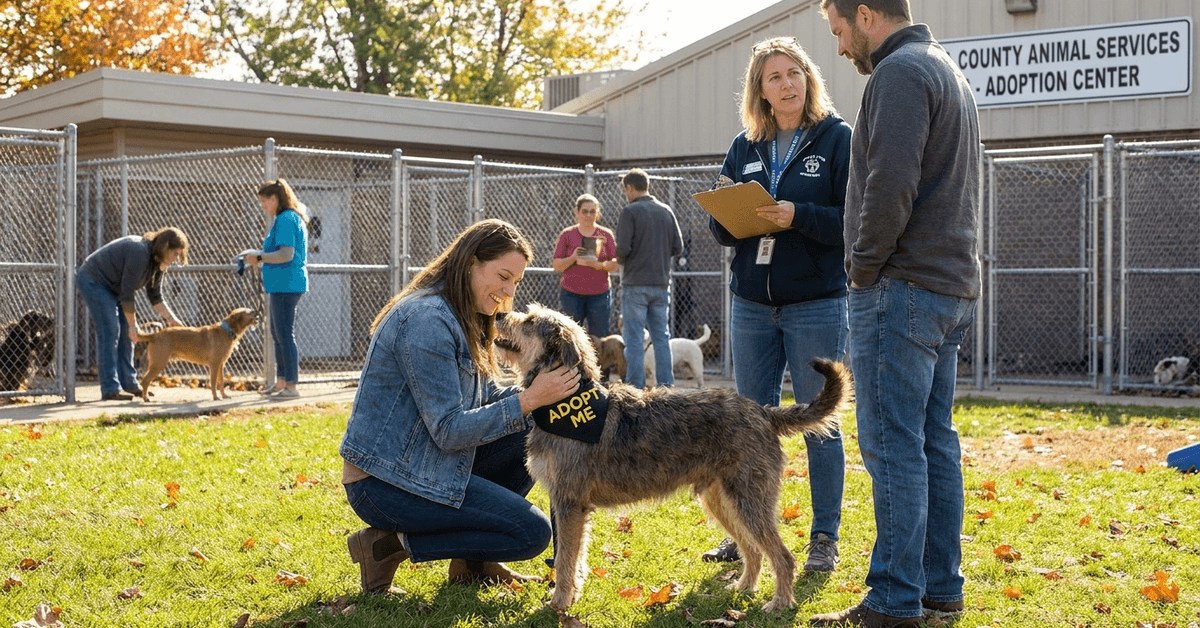
Local shelters usually evaluate their dogs for health and temperament. Many provide vaccinations and basic medical care, which can relieve adopters’ worries. Well, at least for the basics—it’s probably wise to double-check history and records, though.
Supporting Local Communities
When someone adopts locally, they indirectly assist other animals and staff working tirelessly. The whole community benefits from successful adoption stories, even if those stories don’t make headlines every day.
Ways to Find Adoptable Dogs Near You
Several methods help in discovering dogs for adoption close to home. Some are digital, others more traditional.
While technology has made searching easier, sometimes a quick visit to a neighborhood shelter may yield the best connection. There’s rarely a single right answer—the best approach may blend a few options.
Online Shelter Directories
Websites like Petfinder and Adopt a Pet show up-to-date databases of adoptable dogs in different regions. They let users filter by location, breed, size, and even temperament, making the search process less overwhelming.
- Petfinder
- Adopt a Pet
- Local animal control or municipal shelter pages
Visiting Animal Shelters and Humane Societies
Many communities have animal shelters, city-run animal control facilities, or humane societies. Visiting in person sometimes reveals hidden gems—dogs not yet listed online or with little internet exposure.
Connecting With Local Rescue Groups
It might come as a surprise: neighborhood-based rescues often house dogs in foster homes, not kennels.
Fostering, in fact, can give a more accurate sense of an animal’s behavior. A simple web search or inquiry at a local veterinary office could point towards trusted rescues.
Word of Mouth and Social Media
Friends, neighborhood groups, and community forums occasionally mention dogs in need.
Social platforms such as Facebook, Nextdoor, and Instagram sometimes host pages for animal rescue or lost-and-found pets. This route isn’t always efficient, but it sometimes unearths urgent local cases or rare breeds.
Understanding the Adoption Process
It’s easy to assume that adopting is just a matter of picking a dog and heading home. Actually, the process is a little broader. Most shelters and rescues follow steps to ensure a safe match, both for their animals and for adopters.
Application and Screening
Some paperwork is always involved. Shelters usually require an adoption application, where potential adopters provide information about their living situation and experience with animals.
Interview or Meet-and-Greet Sessions
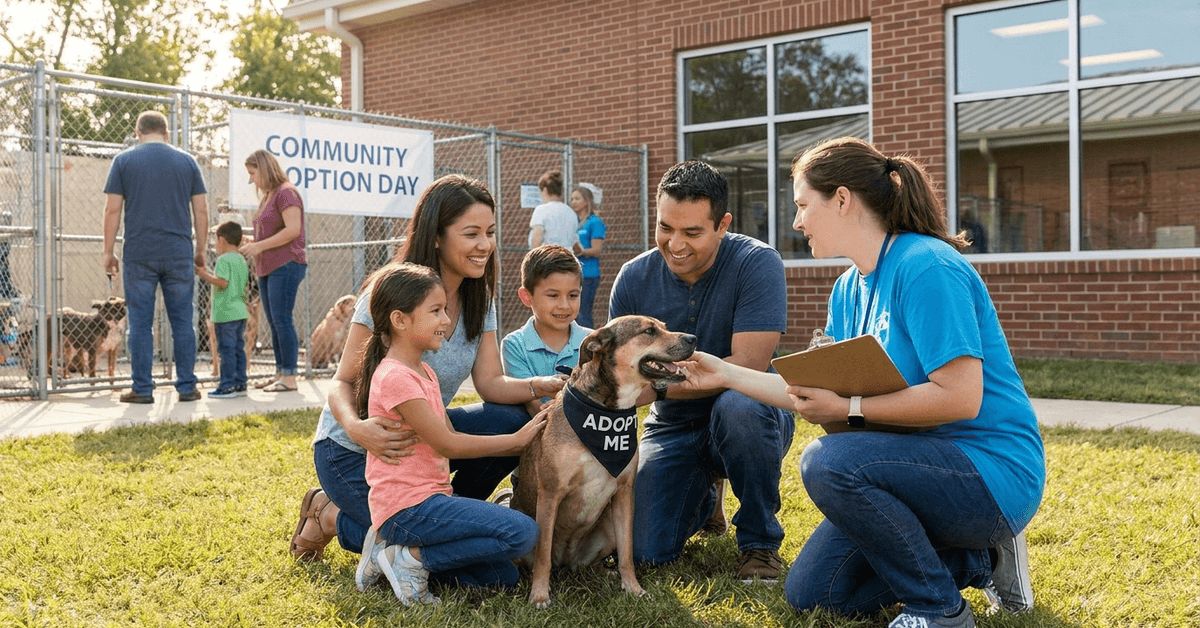
Often, shelters arrange meetings between adopters and dogs. These sessions let both sides see if the bond feels right. Sometimes, additional meetings or home checks follow—much depending on the organization’s policies.
Adoption Fees and Agreements
Adoption usually has a cost, which helps cover care, vaccines, spay/neuter, and microchipping.
Although fees vary, they generally reflect a real investment in the dog’s welfare. Agreements may include conditions (for example, a policy requiring the dog to be returned if the match doesn’t work).
Important Considerations Before Adopting
Enthusiasm is great, but thoughtful preparation leads to the happiest outcomes. Every dog, no matter their history, arrives with unique needs and quirks. These few considerations help set realistic expectations.
Assessing Lifestyle Fit
Does the household have time for walks, play, and training? Some breeds are high energy, while others are more relaxed. Honestly, adopting a dog means welcoming some unpredictability—some surprises can be endearing, while others require patience.
Pet Allergies in the Household
Not every family member appreciates furry company. It’s good practice to consider pet allergies, especially if young children or elderly relatives will be around.
Home Preparation
Preparing the living space ahead of time can save stress. This may involve buying a few dog essentials: food and water bowls, a bed, some toys, and a leash or harness. Dog-proofing areas (like securing trash bins) also prevents accidents.
Top Benefits of Dog Adoption
Choosing to adopt helps break the cycle of animal overpopulation. But that’s just the beginning. The advantages often go much deeper—physically, emotionally, and psychologically.
Emotional Health and Companionship
Many people find companionship in adopted dogs that’s hard to describe—sort of unspoken loyalty. Studies suggest owning a dog reduces stress, eases loneliness, and encourages exercise. No guarantees, but it seems pretty common.
Community Connections
It’s possible—after adoption comes new friendships with neighbors and local dog walkers. Community events, like dog parks and pet fairs, create chances for shared experiences.
Saving Lives, One Dog at a Time
For some, the most gratifying part is knowing an adopted dog’s life has improved. The difference is tangible—with time and patience, positive changes occur for both the animal and the family hosting them.
Resources to Start Your Search for Adoptable Dogs
Direct links might change, but a few trusted names stand out for local searches. Each option provides slightly different filters and adoption experiences.
- Petfinder
- Adopt a Pet
- ASPCA
- Local city/regional animal shelters
- Community social media pages regarding pet adoption
Legal and Ethical Considerations in Dog Adoption
Adopting a dog isn’t just a family decision—it’s a legal responsibility. Municipal regulations and adoption contracts vary, sometimes more than pet owners expect.
Licensing and Registration
Owners are typically required to license and register adopted dogs within a certain timeframe. Checking with municipal or county offices ensures compliance and peace of mind.
Health Certificates and Vaccinations
Shelters often provide a record of vaccinations. Still, double-checking with a veterinarian is valuable—just to be certain everything’s up to date. Some adopters prefer to continue care at their regular vet clinic for continuity.
Long-Term Care and Commitment
Dog ownership means commitment that lasts years, not months. It’s normal to feel apprehensive at first; after all, situations change and flexibility is sometimes necessary.
Tips for a Smooth Dog Adoption Experience
Not every adoption story is simple. Preparing ahead of time and remaining flexible tend to make outcomes positive, even when unexpected challenges arise.
- Take time to meet several dogs—patients often find their perfect match.
- Ask questions about background, temperament, and medical history.
- Consider a trial period or foster-to-adopt programs if unsure.
- Involve all household members in the decision for harmonious adjustment.
- Research breed-specific needs to anticipate challenges and rewards.
Conclusion
Finding adoptable dogs near you is about more than searching listings—it is about choosing a companion responsibly and compassionately.
By checking local shelters, asking the right questions, and understanding each dog’s needs, you can make a better match. A thoughtful adoption process helps give a dog a safer, happier home.