
Cats can become cherished companions, offering affection and playful moments. But how does someone discover the best places to find cats for adoption in their neighborhood?
This guide helps animal lovers, families, and first-time pet adopters learn about trusted sources and adoption tips.



Whether someone is hoping for a mellow adult cat or a lively kitten, understanding local options ensures a smoother search and, perhaps, a happier match. Readers looking for insights on safe, caring adoption will find thoughtful suggestions here.

Why Cat Adoption Matters in Your Community
Adopting a cat is both rewarding and impactful. Choosing adoption supports animal welfare and helps reduce pet overpopulation. Shelters and rescues rely on local communities to give cats a second chance at loving homes.
It's true—every adoption frees up shelter resources, making space for other animals in need. Some adopters even share stories of forming lifelong bonds and witnessing firsthand the positive change their decision brings.
Types of Cat Adoption Sources in Your Area
There are several ways to meet cats seeking homes nearby. Each option offers a unique experience, and certain choices may suit individual needs or preferences better.
Local Animal Shelters
Most communities have one or more animal shelters specializing in cats, dogs, and sometimes smaller pets. These organizations are usually non-profit, focusing on rescue and rehoming.
Shelters often maintain transparent adoption policies, share detailed cat profiles, and support responsible pet care.
Rescue Groups and Nonprofits
In addition to shelters, standalone rescue groups—frequently operated by volunteers—play a big role. Many focus exclusively on cats or even on particular breeds, such as Maine Coons or Siamese.
Typically, rescues house cats in foster homes rather than large facilities. This environment can reveal more about a cat’s behavior and preferences.
Pet Adoption Events & Pop-Up Locations
Seasonal events at pet supply stores, community centers, or farmers’ markets offer another opportunity. These spots often showcase cats from multiple organizations, with volunteers on hand to answer questions.
Adoption days can feel lively, and meeting several cats face-to-face can help the right personality shine through.
Online Adoption Portals
Sites like Petfinder and Adopt-a-Pet aggregate listings from thousands of organizations, allowing users to filter by location, age, color, and temperament.
While online browsing is convenient, follow-up calls or visits remain important. Descriptions can hint at a cat's needs, but real-life meetings are best for making connections.
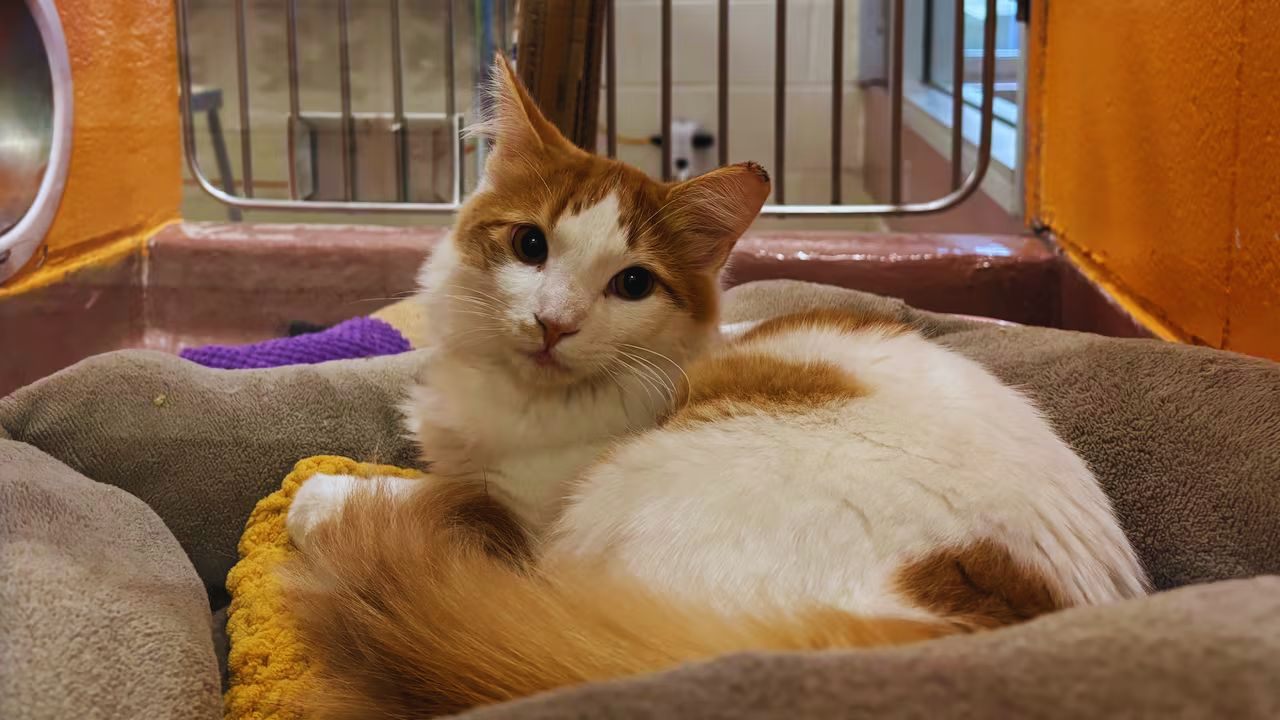
Step-by-Step Guide to Searching for Cats in Your Area
The process of finding cats for adoption is, perhaps, less complicated than some imagine. Still, certain steps may help simplify the journey.
Research Nearby Shelters and Rescues
Explore directories or search “cat adoption near me” in search engines. Local government websites sometimes maintain updated shelter listings as well.
Reviews from other adopters may provide helpful details about different organizations, though personal visits allow for first-hand impressions.
Visit Websites or Social Channels
Most adoption facilities have dedicated websites or social media pages where they post available cats, visiting hours, and contact info.
Scrolling through recent posts or galleries can spark interest and offer a preview before making a trip in person.
Attend Open Houses or Meet-and-Greet Events
Some shelters invite visitors to informal meet-and-greet events. These are perfect opportunities for asking questions or observing how cats interact with humans.
Timing may vary, so consider calling ahead or subscribing to newsletters for event updates.
Ask for Recommendations
Veterinarians, pet supply stores, and friends who have adopted might suggest reputable shelters or foster groups not as widely advertised.
Word-of-mouth referrals can lead to trustworthy organizations, especially if someone is looking for a particular breed or temperament.
Popular Cat Adoption Platforms and Networks
The digital search for cats has grown easier, with several reputable websites bringing together animals and adopters across regions.
Petfinder
This well-known portal allows tailored searches, filterable by type, age, and distance. For US-based readers, Petfinder is widely used and frequently updated.
Adopt-a-Pet
Another reliable database, Adopt-a-Pet collaborates with thousands of shelters. The interface is user-friendly, supporting searches in multiple languages where available.
ASPCA and The Humane Society
These national organizations offer search tools for finding partner shelters or local adoption events. They also provide broader pet care guidance and adoption advice.
Breed-Specific Rescue Networks
Anyone interested in certain breeds—like Ragdolls or Persians—might explore reputable breed-specific rescues. Most operate regionally and focus on matching cats with experienced owners.
What to Expect During the Adoption Process
The adoption journey can sometimes feel overwhelming. Each organization has unique policies, but several common steps appear across most adoptions.
Application Forms and Interviews
Applicants typically fill out forms describing their lifestyle, previous experience, and pet expectations. Short interviews may follow to discuss the best possible match.
Adoption Fees and What They Cover
Most organizations charge an adoption fee . This usually covers basic veterinary care: spaying or neutering, vaccinations, and sometimes microchipping.
Fees vary based on region, organization type, and cat age or special needs.
Meet-and-Greet Visits
Before finalizing, adopters can meet cats, sometimes multiple times. These appointments make it easier to gauge personality fit.
Home Assessments or References
Some shelters or rescues may require a brief home visit or request references. This ensures cats are heading to safe, prepared environments.
Factors to Consider When Adopting a Cat
Choosing a cat is, perhaps, about more than just appearance or age. Considering lifestyle, home setup, and personal preferences may improve the adoption experience.
Personality and Energy Levels
While kittens might seem irresistible, older cats can offer gentle companionship and calmer routines. Shelters often help match personalities to households.
Household Members and Allergies
Households with children or other pets should discuss responsibilities ahead of time. Some cats prefer quiet homes, while others do best with playmates.
Allergy considerations—though tricky—should be addressed. No cat is truly hypoallergenic, but some breeds may trigger fewer reactions.
Long-Term Commitment
Cats can live 15 years or more, and adoption is a lifelong responsibility. Some people find comfort in this stability; others feel nervous about the length of the commitment. Both reactions seem normal.
Cost Considerations for Cat Owners
Aside from adoption fees, future pet owners weigh ongoing expenses such as food, litter, wellness checkups, and unexpected medical costs.
Local veterinary clinics sometimes offer low-cost services for newly adopted pets, or organizations may provide starter kits for beginners.
Legal, Safety, and Ethical Aspects of Cat Adoption
Following all legal requirements—such as updated vaccinations and local licensing—ensures a safe and law-abiding pet relationship. Some communities impose fines for unlicensed animals or pets running at large.
Adopt from organizations with transparent ethics (no exploitative breeding). Rehoming from reputable sources helps limit risk and supports responsible practices.
Conclusion
Finding cats for adoption near you is a thoughtful way to welcome a new companion while giving an animal a safer, more loving home.
The best match comes from checking local shelters, asking about personality and care needs, and preparing your space before adoption. With patience and compassion, the right cat can become part of your everyday life.