The Shusan Ikuji Ichijikin, or Childbirth and Childcare Lump-Sum Grant, provides financial support for childbirth in Japan. It can reduce the amount families must prepare for delivery expenses.
This guide explains eligibility, payments, application methods, documents, and common issues. It also covers direct payment, reimbursement, taxes, deadlines, and related family support.



What Is the Shusan Ikuji Ichijikin?
The Shusan Ikuji Ichijikin is a public health insurance benefit paid when an eligible insured person gives birth.
The standard grant is generally ¥500,000 per child, helping households offset substantial delivery costs and limit the cash needed at hospital discharge.
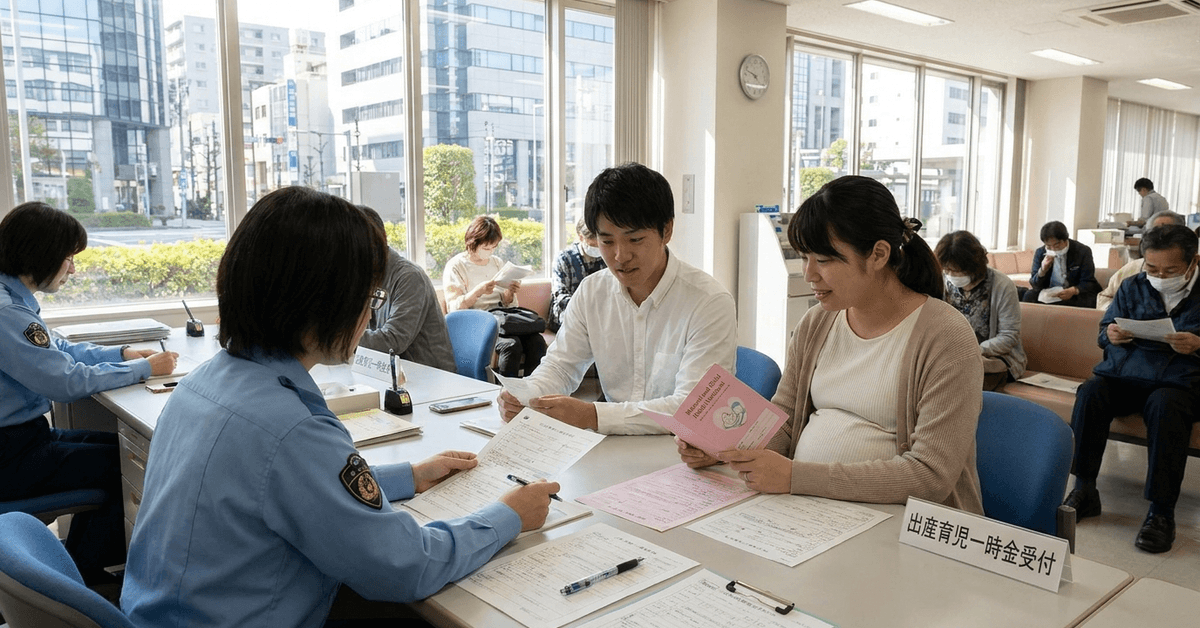
Who Qualifies for the Childbirth Grant in Japan?
Eligibility generally depends on enrollment in Japanese public health insurance at the time of birth, including employees, dependents, and National Health Insurance members.
The pregnancy must also have lasted at least 85 days, regardless of whether the outcome is a live birth, stillbirth, miscarriage, or qualifying termination.
Circumstances Covered by the Grant
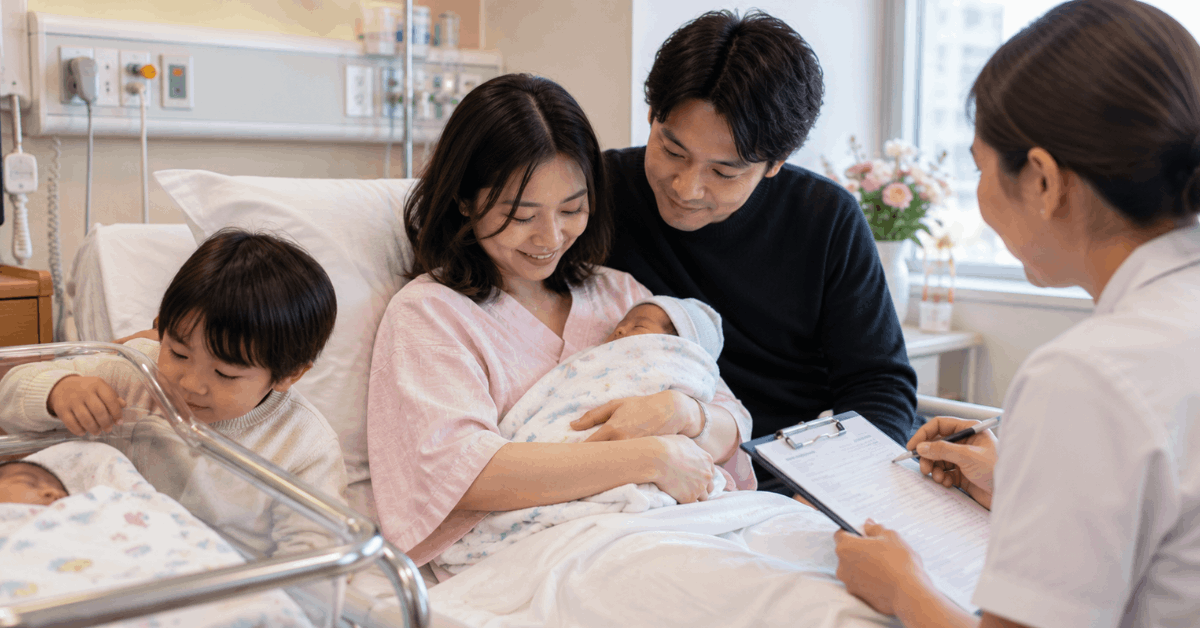
The benefit applies when the pregnancy reaches the required 85-day threshold and insurance conditions are satisfied. Multiple births can result in separate payments for each eligible child.
- Live births after at least 85 days of pregnancy
- Premature births after the required pregnancy period
- Stillbirths or miscarriages after at least 85 days
- Qualifying induced abortions after the required period
- Multiple births, with the benefit calculated for each child
How Much Is the Shusan Ikuji Ichijikin?
The standard amount is generally ¥500,000 for each eligible child, so families should confirm the figure before delivery.
Certain births that do not meet conditions connected with Japan’s obstetric compensation system may receive ¥488,000 instead, so the insurer should confirm the applicable amount.
How to Claim the Childbirth Grant
Japan provides three main payment routes: direct payment, receipt-agent payment, and reimbursement, especially when delivery costs are high. The right option depends on the medical facility, insurer, and family’s circumstances.
The Typical Application Steps
The process begins by confirming coverage and asking the birth facility which payment methods it supports. Families should also contact Health Insurance before delivery when they are uncertain about the responsible insurer or required documents.
- Confirm valid public health insurance coverage before delivery.
- Confirm whether you can apply via hospital for direct payment.
- Review the required agreement or application documents.
- Prepare identification, insurance, birth, and banking information.
- Submit any additional records requested by the insurer.
- Keep receipts and detailed childbirth expense statements.
Required Documents for Shusan Ikuji Ichijikin
Required paperwork varies according to the insurer, payment method, and place of birth. Preparing the main records beforehand can reduce follow-up requests, and checking details early can prevent unnecessary financial surprises.
- Valid public health insurance information
- Personal identification accepted by the insurer
- Childbirth expense receipt and detailed statement
- Birth-related documentation when requested
- Bank account details for reimbursement or any balance
- Direct-payment agreement when that system is used
- Overseas birth records and translations when applicable
Applicants using reimbursement may need to fill Claim Form documents provided by their health insurer. Exact requirements should always be checked because insurance procedures can differ.
Direct Payment System vs. Reimbursement Method
The two routes mainly differ in who pays the hospital first and who later receives the benefit. Understanding this cash-flow difference can help families prepare for delivery expenses.
Direct Payment System
Families can use direct payment system arrangements when their hospital or clinic participates. The insurer pays the eligible grant amount directly to the facility, leaving the family responsible only for costs above the benefit.
If charges are lower, the insured person can generally claim the remaining difference from the insurer.
Reimbursement Method
With reimbursement, the family pays the full childbirth bill first and applies to the insurer afterward.
The insurer reviews the required documents before sending the approved benefit to the claimant. This method can require more cash upfront than direct payment.
Tips and Things to Watch Out For
A few preparations can prevent unnecessary delays or unexpected expenses. These practical checks are especially useful before choosing a hospital, while keeping important records readily available for later verification.
- Confirm which insurer will handle the grant at the time of birth.
- Ask the facility whether it participates in direct payment.
- Request an estimate of childbirth charges before admission.
- Keep every receipt, statement, agreement, and insurer notice.
- Check whether overseas births require translations or extra verification.
- Ask about the remaining balance when costs fall below the grant.
- Keep copies of documents sent for reimbursement.
- Avoid relying only on private insurance for eligibility.
- Check the two-year application deadline if reimbursement is needed.
- Request language assistance when forms are difficult to understand.
Tax Considerations and Legal Points
The childbirth lump-sum grant is a public medical insurance benefit and is generally not treated as ordinary taxable salary income.
Families should still keep payment records because childbirth costs can interact with medical-expense calculations or other financial procedures.
Other Childcare and Parental Support in Japan
The childbirth grant is only one form of assistance available around pregnancy and parenting. Families may also investigate Child Allowance, maternity benefits, parental leave benefits, and municipal programs.
Common Challenges and Experiences
Most problems involve incomplete paperwork, misunderstanding insurance responsibility, or assuming every facility uses the same payment method. Checking requirements before delivery can prevent avoidable confusion.
Frequently Asked Questions
Parents often ask about deadlines, multiple births, foreign residents, and payment timing. Answers depend on insurance status and the circumstances of delivery.
Can Non-Japanese Residents Receive the Grant?
Nationality alone does not determine eligibility. Foreign residents enrolled in qualifying Japanese public health insurance can generally receive the grant when the other conditions are met. They should confirm current coverage and required documentation with their insurer.
Is There a Deadline to Apply?
The general claim deadline is two years from the day after childbirth. Missing that period can result in loss of entitlement. Families using reimbursement should therefore submit documents well before the deadline.
What Happens if Costs Are Below the Grant?
When direct-payment childbirth costs are below the grant amount, the insurer can pay the difference to the eligible person. A separate difference claim may be required depending on the insurer. Keep the facility statement showing actual charges.
Conclusion
The Shusan Ikuji Ichijikin can provide substantial childbirth support for families covered by Japan’s public health insurance. The standard benefit is generally ¥500,000 per eligible child, with ¥488,000 applying in certain cases.
Confirming insurance, payment methods, facility participation, and documents can make the claim process smoother. Official insurer and MHLW guidance remain the best sources for current procedures, amounts, and deadlines.