For many parents in Japan, child-raising costs can strain a household budget. Jidou Teate, or Japanese Child Allowance, provides financial support to qualifying families.
This guide covers eligibility, payments, documents, application steps, and ongoing responsibilities. It helps foreign residents and new parents understand the claim process clearly.



What Is Jidou Teate? Understanding the Basics
Jidou Teate is a government-backed child allowance that helps reduce child-raising costs in Japan. Eligible parents or guardians receive support for education, nutrition, daily care, and other family expenses.
Basic Purpose of the Allowance
The program supports resident parents or guardians responsible for dependent children who meet local conditions.
Payments generally continue while the child remains within the eligible age range. Families should check municipal information before relying on ongoing support.
Who Can Apply
Parents, official guardians, and qualifying caregivers may apply when they meet residency requirements and care for an eligible child.
Foreign residents can qualify with valid residence status and a registered address. Families should Register Child’s Birth promptly because accurate records support applications.
Who Can Qualify for Jidou Teate?
Eligibility depends on residence, guardianship, child age, and other household conditions. Applicants should confirm requirements because individual circumstances can affect the final decision.
Income Limits and Exceptions
Income criteria may depend on dependents, marital status, and single-parent status. City offices may review resident tax records and household information when determining payments.

Temporary absences may require review when the main household remains registered in Japan.
Nationality and Residency
The allowance is not limited to Japanese citizens, and qualifying foreign residents may submit applications. Permanent residency is not always required, but a registered juminhyo address normally is. Accurate records help verify family eligibility efficiently.
How Much Can You Receive?
The Jidou Teate rates described here depend on child age and, for some households, declared income. Typical amounts appear below, but families should verify current local rates.
- 0–3 years old: ¥15,000 per month
- 3 years to end of elementary school: ¥10,000 per month, or ¥15,000 for the third child onward
- Junior high students up to 15: ¥10,000 per month
Families above the income threshold may receive a reduced ¥5,000 payment per child under these rules. Payments follow a scheduled cycle, so benefits may arrive every few months rather than as a monthly deposit.
How to Claim Jidou Teate: Step-by-Step
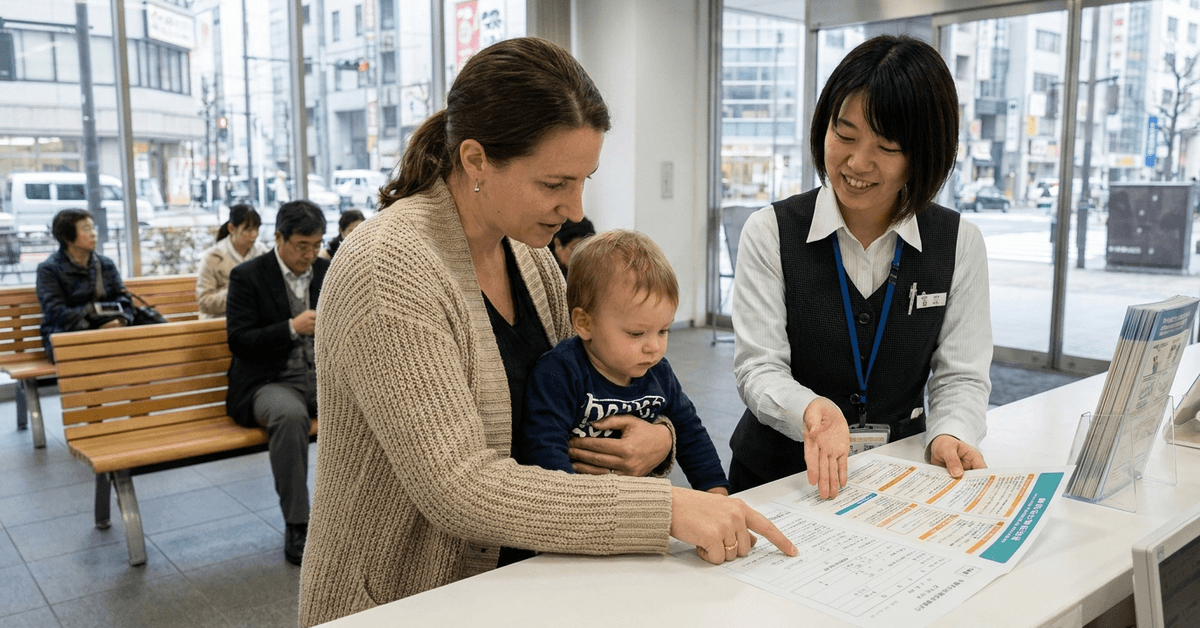
The process usually begins at the local city office, where parents can confirm requirements and obtain forms. Staff often assist foreign residents and may provide language assistance.
Step 1: Confirm Your Eligibility
Confirm you have a valid resident card, registered juminhyo address, and correct child information. Parents should Go to Municipal Office services if household records need checking. Early review can prevent application delays caused by missing information.
Step 2: Gather Required Documents
Document requirements can differ by municipality, so check the local office before visiting. The following supporting documents are commonly requested.
- Photo ID, such as a residence card or passport
- Juminhyo for the parent or guardian and child
- Bank account details for receiving payments
- My Number card or related identification
- Employment or tax documents when requested
Parents may need to Provide Bank Book details for receiving payments. Calling first can reduce repeat visits, especially for mixed-nationality families.
Step 3: Submit Your Application
Visit the family or child-support counter at city hall with the requested documents. Applicants may need to Fill Nintei Seikyuusho during the formal claim. Missing items can often be submitted later to complete the application file.
Step 4: Wait for Review and Decision
The municipal office reviews the application and confirms whether requirements are met. Processing may take several weeks when extra supporting information is needed.
If approved, payment timing usually relates to the application date, making early submission important.
Tracking and Maintaining Your Benefit
Families should check municipal notices after approval because periodic confirmation may be required. Current records help prevent interruptions, overpayments, or delays in benefit payments.
Annual Renewal
Approved families may need an annual renewal, or genkyou todoke, when requested. This declaration lets the city review household status, income, and changes. Timely updates help keep the allowance active and reduce administrative problems.
Reporting Changes in Circumstance
Notify the city office when your address, income, custody, or marital status changes. Accurate reporting prevents incorrect payments that may require repayment. Prompt updates also help officials use the most current information.
Common Questions About Jidou Teate
Parents often ask about work, guardianship, and taxes before or after applying. These sections address common concerns affecting family responsibilities.
What If Both Parents Work?
When both parents work, the parent with the higher income commonly submits the claim. A city office may request extra documents when determining which parent should apply. Couples with unusual circumstances should seek case-specific guidance before filing.
Does Foster or Adoptive Care Qualify?
Legal guardians, foster parents, and certain court-appointed caregivers may qualify when responsible for the child.
Municipal records should clearly identify the main caregiver and living arrangement. Some cases require extra documents proving legal responsibility.
Is Jidou Teate Taxable?
In most cases described here, the allowance is treated as non-taxable income. Other social programs may consider broader household circumstances or family resources. Parents should ask the local office if unsure how payments affect other assistance.
Legal and Social Considerations
Eligible residents can claim the allowance because many families use the program. Applicants should follow official procedures and keep records of forms, notices, and municipal decisions.
Staying Informed About Policy Changes
Child-support policies may change as governments update budgets, eligibility rules, or payment structures.
Families can check municipal notices or the MHLW for official guidance. Reviewing announcements helps parents respond to policy updates affecting their household.
Tips for Navigating the Process Easily
Simple preparation can make the application easier and reduce unnecessary office visits. Organizing documents and keeping clear records also helps with renewals or household changes.
- Visit your city website or official support page for current forms and checklists
- Prepare extra documents when practical to reduce wasted trips
- Ask counter staff when instructions are unclear
- Keep copies of submitted forms for personal records
- Set reminders for annual renewal or reporting deadlines
Conclusion
Jidou Teate can provide useful family support for eligible parents and guardians raising children in Japan. Understanding residency, documents, application steps, and reporting duties makes the process easier.
Families should keep municipal records accurate and follow renewal or update requirements. Careful preparation can help maintain the allowance while avoiding administrative delays.