For many people, retirement brings relief but also financial concerns. Chile’s Guaranteed Universal Pension, or PGU, supports qualifying older adults monthly.
This guide explains eligibility, documents, application steps, common challenges, and post-approval duties. It helps applicants and families approach the PGU process with clearer expectations.


What is the PGU and Who Is It For?
The Guaranteed Universal Pension is a monthly benefit administered by Chile’s Instituto de Previsión Social for older adults meeting legal requirements. Eligible people may receive it whether pensioned or still working, subject to current PGU rules.
Eligibility Requirements for the PGU
PGU eligibility depends on specific legal conditions reviewed before approval. Checking each requirement can prevent confusion and avoidable assessment problems.
Age Threshold
Applicants generally need to be 65 years old to receive the PGU, although requests may be submitted shortly before that birthday.
Before applying, verify age using birth information connected to your RUN and official records. Age alone does not guarantee approval because other eligibility requirements also apply.
Residency and Nationality
Applicants must satisfy Chilean residency requirements based on time lived in the country rather than citizenship.
Current rules generally require 20 years of residence from age 20, plus four of the five years before applying. People who lived abroad should review travel records because residence periods may require verification.
Income and Assets Test
The PGU applies pension targeting criteria rather than a simple test based only on savings or property. Applicants must fall outside the richest 10 percent and have a pension base within the legal limit.
The Pension Focalization Score can use Registro Social de Hogares data with other official household information.
Documents Needed to Claim the PGU
Preparing supporting documents early can reduce missing-information requests. Requirements vary, so applicants should review official instructions before submitting records.
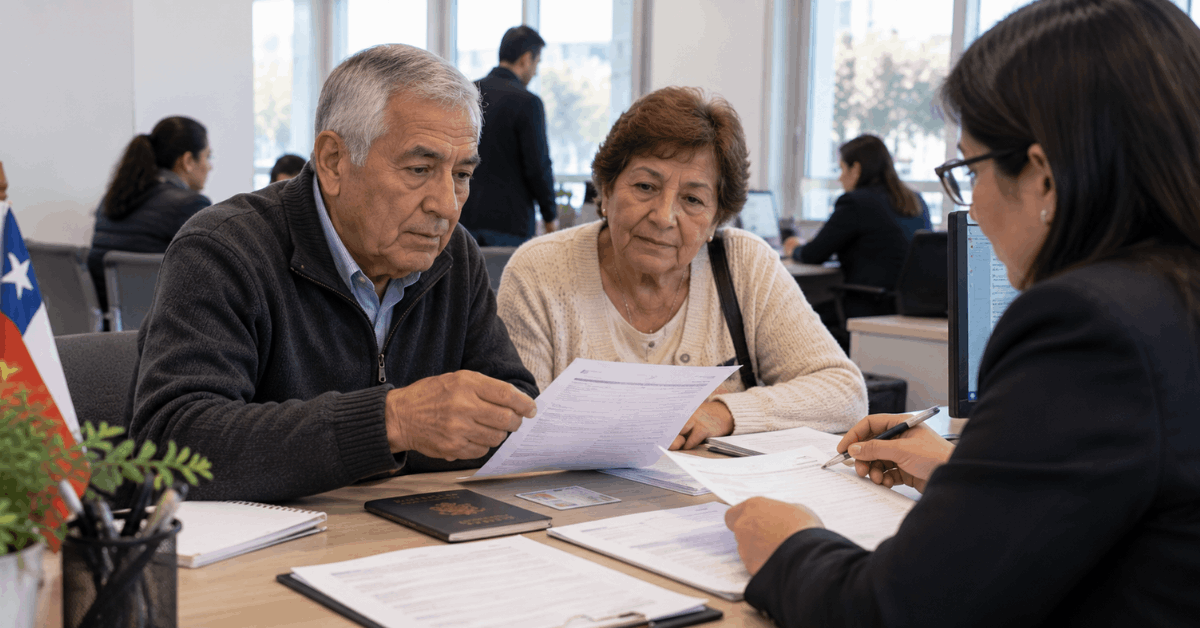
- Identification: A valid Chilean identity card or accepted identification linked to the applicant’s RUN.
- Residency evidence: Travel or residence records when authorities need to confirm time lived in Chile.
- Pension information: Existing pension details used to determine the pension base.
- Representative documents: Authorization and identification if another person completes the process.
How to Start Your PGU Application
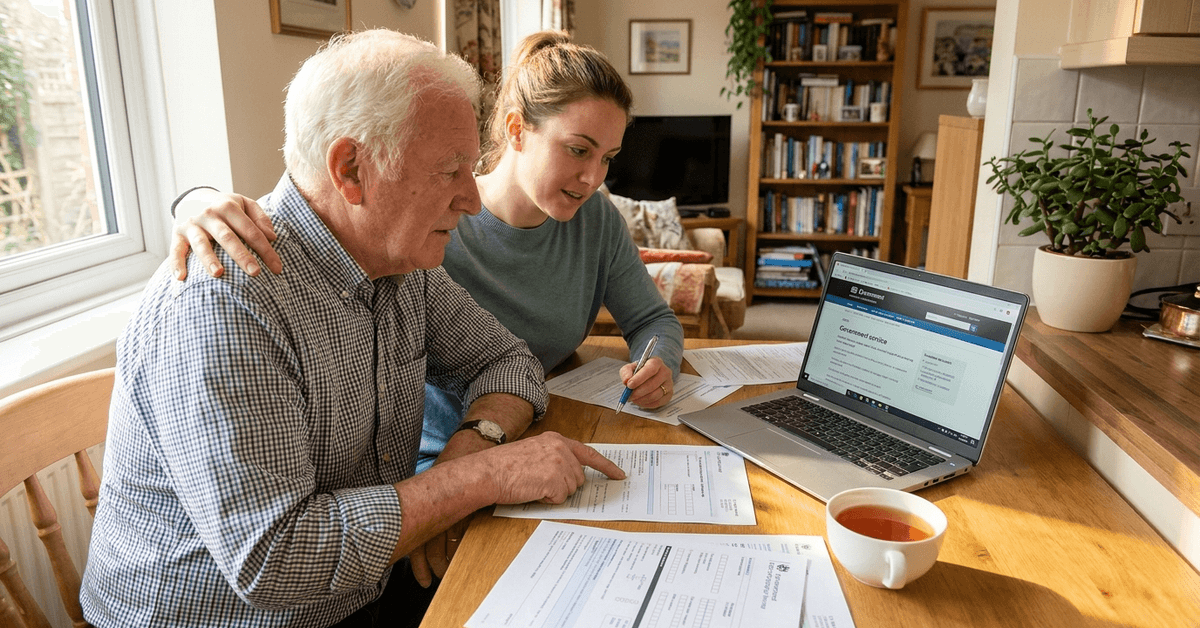
Applicants can begin through official government channels or assisted service. Accurate personal information can make submission easier.
Check Your Eligibility Online
An official consultation can show whether someone appears to meet the basic PGU conditions before applying.
Applicants can enter their RUN and birth date through ChileAtiende and follow displayed instructions. Final approval still depends on formal assessment by the responsible authority.
Online vs. In-Person Application
Online applicants may use ClaveÚnica to continue the PGU process after checking their information.
Applicants can also use ChileAtiende, visit a branch, contact an eligible municipality, or apply through an AFP or insurer when applicable. Choosing a suitable channel can simplify submission and access to assistance.
Assistance and Support
Applicants who find the process confusing can seek official application support instead of guessing about requirements.
ChileAtiende can explain how to submit a request, check status, or answer requests for additional information. Family members may organize records, but formal representation requires proper authorization.
Step-by-Step Overview of the PGU Claims Process
The PGU claim follows a structured review process from eligibility checking to the final decision. Careful completion helps applicants respond quickly if the IPS requests clarification.
- Review eligibility requirements for age, residence, pension base, and targeting.
- Gather identification and supporting records about residence, pensions, or representation.
- Apply through an approved service channel online or with assistance.
- Confirm submitted personal details match official records.
- Track the application through government status tools or service channels.
- Respond promptly to additional information or correction requests.
- Review the approval, rejection, suspension, or other formal decision issued.
Common Challenges When Claiming the PGU
Even prepared applications can face administrative delays during review. Knowing common issues can help applicants correct problems efficiently.
Frequent Documentation Errors
Incorrect RUN details, outdated records, or unclear documents can create avoidable application problems. Applicants should compare entries with official identification and keep readable copies of submitted records.
If household data needs updating, follow the proper process and wait for RSH Evaluation when required before using revised information.
Delays in Processing
Some applications take longer because the IPS must verify official records before deciding. Applicants should monitor status and answer requests instead of filing another application unnecessarily. Keeping submission dates and reference details available can simplify follow-up.
Unclear Communications
Government notices may contain technical pension language that is difficult to understand. Applicants should read the message, identify what is requested, and contact an official channel if unclear. Understanding what the IPS needs can prevent unnecessary resubmissions or missed deadlines.
Key Tips for a Smooth Application Experience
A few simple preparation habits can make the PGU process easier. These steps also create a record for later questions.
- Keep paper or digital copies of every document submitted.
- Record the submission date and any reference number provided.
- Use only official service channels for personal or financial information.
- Check messages regularly and answer information requests promptly.
- Review pension and household data for consistent information before submission.
After Approval: What Happens Next?
Approval begins the payment monitoring stage of the PGU process. Beneficiaries should review the official notice for payment details and responsibilities.
Payment Timing and Methods
Once approved, the benefit follows the official payment schedule assigned to the beneficiary. Payment uses the registered method, and beneficiaries can check details through authorized government channels. The amount may depend on pension base, age-related reform rules, and current PGU regulations.
Reporting Changes
Beneficiaries should report relevant personal changes when authorities request information affecting entitlement.
Changes involving residence, pensions, or other eligibility factors can trigger review, so accurate records matter. Ignoring requests or providing incorrect information can lead to suspension, termination, or repayment issues.
Other Benefits That May Interact with the PGU
Receiving PGU may connect with other public benefits or pension-related entitlements that deserve review.
With several benefits or special pension regimes, official guidance can clarify whether another payment affects PGU eligibility or amount, especially when pension income, household details, or other circumstances change during retirement planning.
Conclusion
The PGU can provide important retirement support for older adults meeting Chile’s age, residence, pension, and targeting conditions. A careful application starts with checking eligibility, preparing records, and using official channels.
Applicants should answer information requests promptly and review every decision. Staying organized and following current government guidance can make the PGU process clearer through payment.