
Japan’s thriving tourism industry creates constant job openings in hotels and hospitality. This field welcomes international job seekers, especially those who understand both service and cultural sensitivities. Opportunities exist for all skill levels, so nearly anyone motivated can find a place.
This guide is for non-Japanese speakers, new graduates, career changers, or anyone looking for stable work in Japan’s hospitality scene. Learn step-by-step how to search, prepare, and land roles plus boost your earnings prospects.


Why Choose Hotel and Hospitality Jobs in Japan
Japan consistently draws millions of visitors each year. The hotel sector is one of the most internationally friendly and offers regular hiring—even for part-time roles.
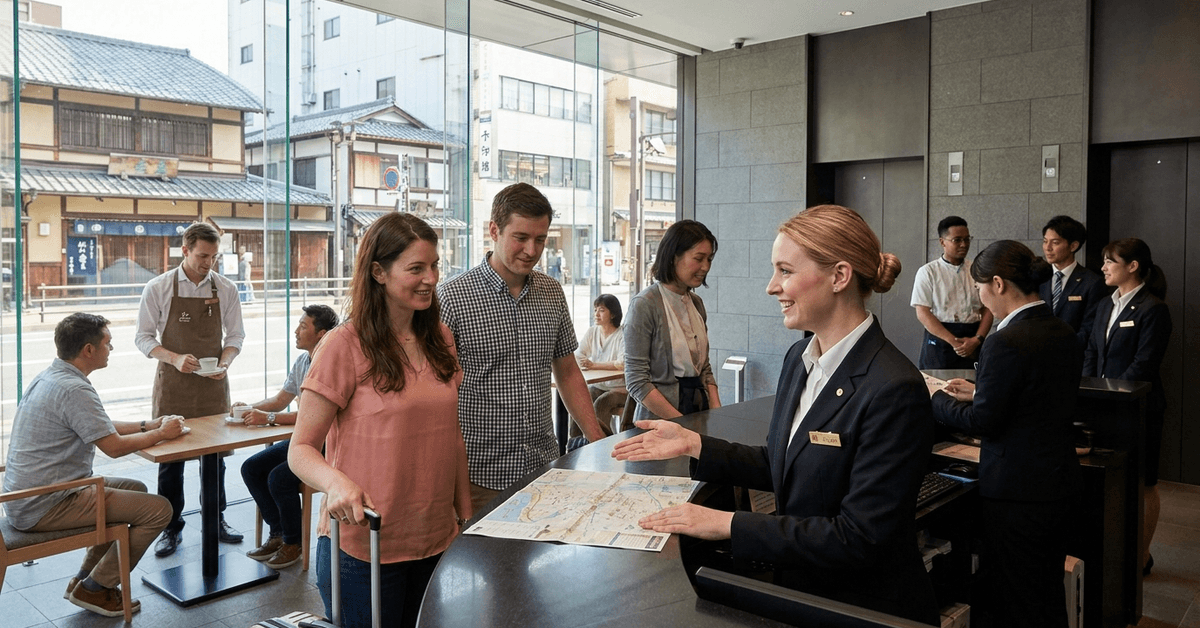
Steady Demand in Top Cities
Major destinations such as Tokyo , Osaka, Kyoto, and Fukuoka have bustling tourist traffic. High occupancy rates mean hotels and guesthouses always seek new team members to support guests, handle cleaning, and manage front desks.
Varied Opportunities Regardless of Experience
Roles exist for all backgrounds. Positions range from room attendants and guest service staff to bartenders, kitchen hands, and even English-speaking concierge roles. Motivated applicants with a friendly attitude often have a real advantage.
Key Requirements and Expectations
Basic Japanese Language Skills
Japanese is usually necessary for guest interaction. However, in international hotels and urban hostels, English is sometimes enough for entry-level work. Still, even a beginner’s grasp of Japanese helps with workplace instructions and guest requests.
- Learn basic phrases for greetings and directions.
- Online apps like Duolingo or LingoDeer help accelerate learning.
Work Visas and Legal Right to Work
Foreigners typically need a working visa. For student visa holders, part-time work is permitted but has hour limits. The Specified Skilled Worker (Tokutei Ginou) visa is one practical option for full-time roles in the sector.
- Check government sites such as ‘Immigration Services Agency of Japan’ for up-to-date visa guidelines.
- Employers usually provide support with paperwork if you apply from abroad.
Credentials and Presentation
Resumes in English and simple Japanese open more doors. A tidy personal presentation, polite manner, and punctuality are highly valued in Japan’s hotel sector. It’s wise to prepare both printed and digital copies of your resume to hand out during on-the-spot visits.
Popular Job Platforms and Useful Apps
Japan-Based Online Portals
GaijinPot Jobs is a favored site for English-speaking roles across Japan. Many international hotels and hostels post jobs there. Jobs in Japan is another practical portal with filters for non-Japanese speakers.
- GaijinPot Jobs
- Jobs in Japan
Direct Company Websites
Leading hotel chains often list openings directly on their career sites. ANA InterContinental, Tokyu Hotels, and Hoshino Resorts are worth checking. Direct applications sometimes yield faster responses than job boards.
Specialized Apps for Hospitality Work
Saiyo is a Japanese-language app widely used for restaurant and hotel temp roles. Another helpful app, Hello Work, is run by the Japanese government. It features both long- and short-term hospitality listings for all ability levels.
Recruitment Agencies
Larger agencies specialize in hotel placements, such as Pasona Global and Tempstaff. Registering with these agencies allows applicants access to exclusive listings and application support. They sometimes offer resume translation or interview coaching too.
Types of Hospitality Jobs Available
Front Desk Clerk
Handles guest check-ins, bookings, and general inquiries. Strong communication skills are valued. Multilingual ability makes it easier to stand out as a candidate, especially in upscale hotels.
Guest Services and Concierge
Assists travelers with directions, bookings, and special needs. Foreign guests especially appreciate staff able to bridge cultures. A background in customer service or tourism is a notable asset.
Room Attendant and Housekeeping
Supports cleaning, linen changes, and amenity restocking. Many entry-level roles do not require advanced Japanese. Attention to detail and reliability are more important for this position. These roles suit those new to the sector.
Cafés, Bars, and Hotel Restaurant Staff
Waitstaff, bartenders, and kitchen team staff are always in demand. Work hours can include mornings or late nights, so it helps to be flexible with schedules. International hotels may hire English-speaking staff to manage overseas clientele.
Back Office and Support Roles
Some hotels offer jobs in administration, event planning, or IT systems. These generally require fluent Japanese plus specialized training, but they can be rewarding for those looking to stay in the hospitality field long-term.
Best Locations for Job Hunters
Tokyo
Home to Japan’s busiest international airports and dozens of world-class hotels, Tokyo delivers a vast variety of opportunities. The city’s diversity attracts a higher number of foreign-friendly workplaces, especially around Shinjuku and Ginza.
Kyoto
As a UNESCO World Heritage destination, Kyoto’s hospitality sector revolves around guest experience and local culture. Guesthouses, ryokan, and city hotels look for staff who can communicate politely with global tourists.
Osaka
Known for its food-loving spirit and lively pace, Osaka has numerous hotel and restaurant openings. Workplaces here generally value a warm, welcoming approach.
Okinawa
This subtropical island region offers hotel and resort jobs amidst beautiful scenery. Seasonal work is especially common, and English is often sufficient for basic positions in bigger resorts.
Building a Stand-Out Application
Polish Your Resume
Highlight any international work or customer service history. Schools, camps, and volunteering all help demonstrate commitment and adaptability. Japanese-style resumes (rirekisho) can be downloaded and filled out using templates found on GaijinPot or Hello Work.
Prepare a Simple Cover Letter
Short, courteous letters of introduction are well-received. Mention any language skills and willingness to support international guests. Even if experience is limited, emphasizing eagerness to learn helps create a favorable impression.
Practice Interview Basics
Interviews often assess etiquette and professionalism. Practicing greetings, a brief self-introduction (jikoshoukai), and common interview questions in Japanese can boost confidence. Always arrive early, with required documents organized in advance.
Tips for Succeeding On the Job
- Observe senior staff to learn unwritten rules and routines.
- Always address guests and co-workers politely (using formal speech as a safe default).
- Take feedback seriously and adjust quickly—flexibility is seen as a strength.
- Check schedules daily. Last-minute shift changes are common in hospitality.
- Keep personal appearance tidy and uniforms clean at all times.
Legal and Tax Information
Work Permits and Limits
Working in Japan without the correct visa can result in legal trouble. Always secure the appropriate work permit for hospitality jobs, especially as part-time roles have strict hour limits for international students. Confirm details with your employer in advance to avoid misunderstandings.
Income Tax and Deductions
All wages are subject to Japanese income tax. Employers typically deduct taxes directly from paychecks. At year-end, some workers file a tax return or collect a withholding slip (gensenchoshuhyo) for their records.
Health Insurance and Benefits
Regular employees may qualify for company health insurance and pension contributions. Part-time employees are generally covered only by national health insurance. Always verify your benefit eligibility with each employer before accepting an offer.
Visual Suggestions
- Table comparing leading job boards (GaijinPot vs. Jobs in Japan vs. Hello Work)
- Map marking top job cities (Tokyo, Kyoto, Osaka, Okinawa, Fukuoka)
- Step-by-step infographic: Application and interview process
Conclusion
Pursuing a hotel or hospitality job in Japan is a practical pathway for foreigners seeking international experience. The combination of high tourist numbers and staff shortages ensures solid demand year-round.
Whether aiming for big-city hotels in Tokyo or cozy guesthouses in Kyoto, being prepared—through research, language skills, and polished applications—makes a meaningful difference.
By carefully following visa rules and employer expectations, job seekers not only access rewarding work, but also immerse themselves in Japan’s celebrated spirit of service.