Food delivery has gained momentum across France, from the bustling avenues of Paris to small towns elsewhere. Many job seekers, students, and career changers are turning their attention to this fast-growing sector.
If you are in France, interested in flexible work, or seeking extra income, exploring food delivery jobs can be a good step. This article outlines the process, requirements, and practical advice for entering the French food delivery market.



Here, readers will discover everything from eligibility to tips for optimizing their daily routes. The end goal: help you understand how to successfully apply and thrive in this industry.
Why Consider Food Delivery Jobs in France?
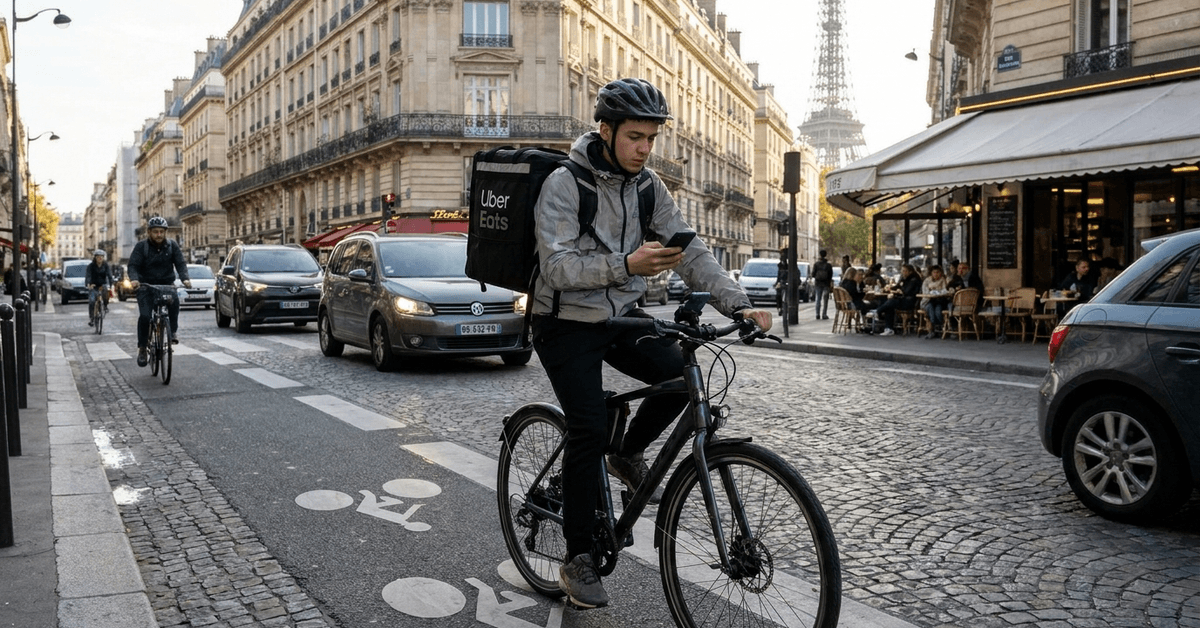
Demand for food couriers is high in France. Cities like Marseille, Lyon, and Paris rely on gig workers to keep up with modern dining trends. Perhaps it’s the convenience—or maybe just how busy people are nowadays.
Food delivery offers flexible hours, independence, and—sometimes—a way to see parts of your city you wouldn’t know otherwise. Many people see this as a side gig. Yet, some build it into full-time careers, especially with the current job market shifts.
It’s not a perfect fit for everyone. But for those keen to earn extra income or explore non-traditional employment, it presents real possibilities.
Popular Food Delivery Platforms in France
France’s food delivery sector is competitive and diverse. Several platforms dominate, giving job seekers ample choice. Each has its own rules and workflows, so it pays to compare.
Deliveroo
Deliveroo is well-established in major French cities. The platform offers a user-friendly app and regularly attracts both students and seasoned gig workers alike.
Uber Eats
Uber Eats covers a wide range of French locations, from popular tourist spots to smaller suburbs. It’s known for flexible scheduling and its global reputation.
Just Eat
Just Eat focuses heavily on metropolitan areas. Working for them means you’ll encounter diverse eateries and client types throughout your shifts.
Other Local Options
Smaller regional platforms or restaurant chains sometimes hire directly. These can lead to more predictable routes, but typically come with their own sets of requirements.
Who Can Apply for Food Delivery Jobs in France?
France has clear standards for those entering food delivery. To be eligible, one often needs to be at least 18 years old and either a citizen, resident, or hold relevant work permissions. There’s generally no formal education requirement.
Certain platforms may request a background check. Others simply specify that valid identity documents are needed. A driver’s license might be required if the delivery involves a motor vehicle or scooter.
Having access to a bicycle, scooter, or car is typical—especially for platforms covering larger areas. Insurance and proper vehicle registration are usually required as well.
Step-by-Step Application Process in France
1. Picking Your Platform
Compare various platforms operating in your area. Consider delivery zones, app features, pay structures, and support services. Each can feel slightly different.
2. Gathering Necessary Documents
Most recruitment processes begin by submitting identity proof, up-to-date residence permits, and, if needed, a driving license. Some companies may require a clean criminal record certificate ("casier judiciaire").
3. Creating a Secure Online Account
Platforms like Uber Eats France allow users to register directly via their official website. A personal email, phone number, and secure password are essential.
4. Signing Up for the Right Status
Many food delivery workers operate as micro-entrepreneurs (auto-entrepreneurs). This allows for independent contracting, which is now the industry norm in France.
5. Passing Onboarding Procedures
Some platforms require brief online training, safety tutorials, or video interviews. Expect to provide bank details, insurance proof, and sometimes vehicle documentation here.
6. Getting Equipped and Started
Upon approval, couriers usually pick up necessary gear—insulated bags, branded clothing—and can access the app. Some companies lend this gear, while others expect you to provide it.
Required Skills and Qualities
This job isn't all about riding a bike or driving; time management, local knowledge, and basic customer service skills matter. Navigational ability, especially in busy French cities, helps, too.
Clear communication—sometimes in French, sometimes in English—is a benefit. Many clients, especially in big cities, expect deliveries within precise time windows.
Physical stamina shouldn’t be underestimated. Longer shifts can be demanding, so, naturally, a baseline of fitness goes a long way.
How Earnings and Payments Work
Most platforms pay per delivery, with extra for peak hours or high-demand areas. Tips are often possible but not guaranteed. Payments are generally sent weekly or bi-weekly to your bank account.
Income can vary. Rural towns might see fewer orders than city centers. Weather, seasonality, and even national events can cause earnings to fluctuate, sometimes unpredictably.
Earnings may seem erratic at first, but many couriers learn to spot trends and adjust their strategies week by week to optimize results.
Legal and Tax Considerations in France
Delivering food as an independent contractor comes with obligations. Registering as a micro-entrepreneur is required for most platforms, except in cases where you’re hired as a part-time employee.
Micro-entrepreneurs in France must track income and file annual taxes. There are thresholds that affect VAT requirements, so staying informed about tax policy helps avoid issues later.
Couriers may need specific insurance. Check the latest government guidelines, or consult the Service-Public portal for small business registration guidance and safety info.
Tips for Smoother Application and Better Results
Prepare All Documents Early
Having identification, residence cards, and vehicle paperwork on hand can save time. Platforms typically appreciate quick, complete submissions.
Stay Informed About Platform Changes
Company policies can change without much notice. Regularly visiting platform news sections can help avoid unexpected onboarding hiccups.
Consider Hours and Local Demand
Your income depends partly on timing and location. Observing peak dining hours, events, and weekends can reveal higher-earning opportunities.
Next Steps: Official Application Center
Many job seekers begin their journey through trusted industry sites. For a reliable, up-to-date application experience, visit the official Uber Eats France recruitment page to start your application process safely and confidently.
Conclusion: Opportunities and Considerations for France’s Food Delivery Workforce
In the end, food delivery jobs in France combine flexibility, immediate income, and an on-the-go lifestyle. It’s not entirely without challenges—regulatory shifts, unpredictable weather, and physical demands all come into play. But for many, the rewards of autonomy and variety outweigh these uncertainties.
The key is to choose the right platform, prepare documents in advance, and stay aware of market trends and requirements. The journey may start with a single application, but success often relies on learning as you go and adapting along the way.
If you are weighing your options for gig work, France’s food delivery sector provides a genuine pathway. Staying informed and approachable keeps doors open, whether for a brief side job or a more lasting career shift.