
Accessing direct funding in Germany can feel complicated when speed, security, and eligibility matter. This guide explains common funding routes and how they work.
It also covers applications, safety checks, legal considerations, and repayment responsibilities. These points can help individuals, freelancers, and entrepreneurs compare funding with financial clarity.



Why Reliable, Immediate Funding Matters in Germany?
Unexpected bills, business expenses, or temporary cash-flow gaps may create a need for timely financing. Reliable funding should combine processing speed with clear costs, secure data handling, and realistic repayment terms.
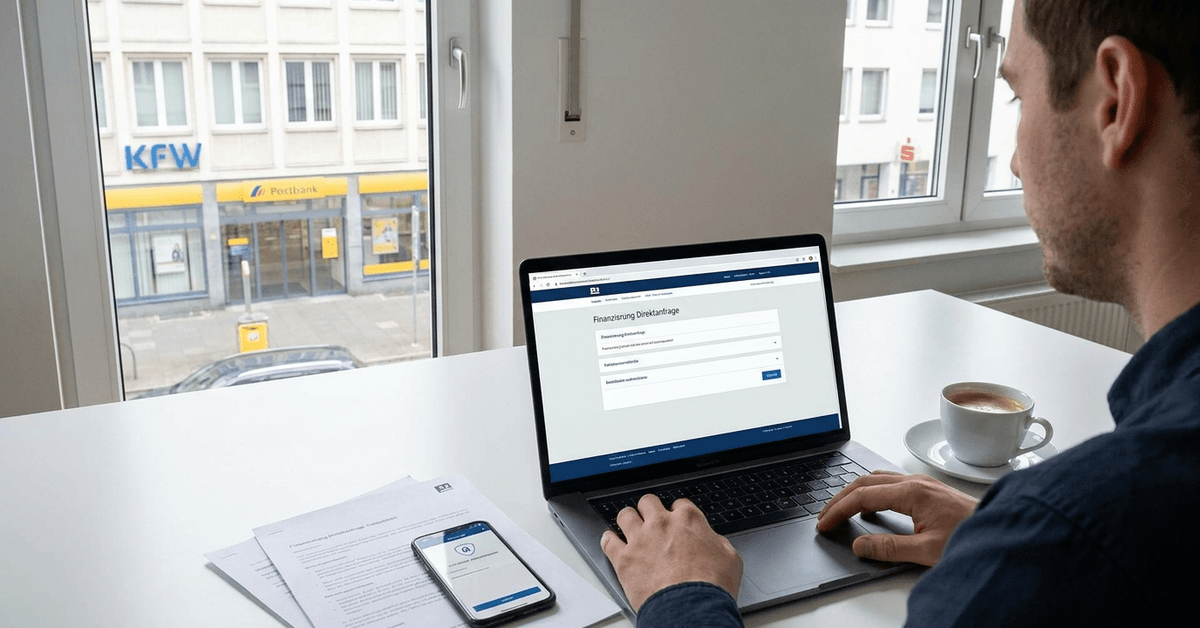
Understanding Direct Funding: What It Means and Why It’s Appealing
Direct funding generally means obtaining money from the actual lender or funding source rather than through multiple intermediaries.
Understanding whether the source is a bank, marketplace, employer, or public program helps applicants compare protections, costs, and eligibility.
Popular Secure Direct Funding Options in Germany
Germany offers financing through regulated banks, digital providers, marketplace models, employers, and development programs. The most suitable funding option depends on whether the need is personal, professional, or business-related.
1. Government Grants and Subsidies
Germany offers public financing programs for eligible founders, freelancers, businesses, and investment projects.
KfW currently provides the ERP Start-up Loan StartGeld for eligible founders, freelancers, and young companies, with financing up to €200,000 for qualifying purposes.
Public financing programs require eligibility checks and applications, so they should not be treated as instant emergency cash.
2. Online Direct Lenders & Digital Banks
Digital banks and lenders can simplify applications through online forms, electronic identification, and automated assessment.

N26 currently offers personal credit in Germany through its app, with published amounts and repayment periods subject to individual credit assessment.
Digital processing can be quick, but approval and payout still depend on verification, eligibility, and banking processes.
3. Peer-to-Peer (P2P) Lending Platforms
Marketplace and peer-to-peer models can connect financing demand with investors or partner lenders through digital platforms.
Their legal structure, credit assessment, pricing, and availability differ, so applicants should confirm who provides the loan. A familiar platform name does not automatically mean the product suits every consumer, freelancer, or business.
4. Employer and Payroll-Advance Services
Some employers may offer salary advances or access to earned wages before payday. An employer-based advance can address a short-term gap without a conventional personal loan.
Availability, fees, payroll deductions, and eligibility depend on the employer or service, so employees should confirm the arrangement in writing.
Eligibility Criteria for Fast, Secure Funding
Requirements depend on the funding source, purpose, and applicant profile. Applicants should prepare accurate documents to reduce verification delays.
- Individuals: Valid identification, German address when required, income information, and an eligible bank account.
- Businesses: Registration records, financial information, business purpose, and sometimes tax documents or forecasts.
- Digital lenders: Identity verification, income details, creditworthiness checks, and banking information.
- Public programs: Evidence that the applicant and project meet specific criteria.
- Self-employed applicants: Additional business, income, or tax records may be requested.
Safety and Security: How to Spot Legitimate Funding Sources
Fast financing should never require applicants to ignore basic security checks. BaFin provides databases and warnings to help verify regulated financial providers.
Applicants should confirm the company name, website, address, privacy information, and authorization or registration. HTTPS protects data transmission, but website encryption alone does not prove a lender is legitimate.
Application Steps: From Inquiry to Quick Disbursement
Most legitimate applications involve research, documentation, identity verification, assessment, and contract review before funds are released.
Preparing complete information early can make the process more efficient without bypassing necessary checks.
Step 1: Research and Compare Options
Start by identifying whether a personal loan, business loan, public program, marketplace product, or employer advance fits the need.
Compare the effective annual interest, total repayment, eligibility, and processing conditions rather than relying on speed advertising. BaFin recommends comparing consumer credit offers using the effective annual interest rate.
Step 2: Prepare Your Documentation
Gather identification, income records, banking information, residence details, or business documents requested by the provider. Current digital copies can reduce delays caused by missing or unreadable files.
Do not submit unnecessary sensitive information to a provider whose identity has not been verified.
Step 3: Submit Online Application
Use the provider’s official website, app, or secure application portal. Enter accurate personal information and review account numbers, income figures, and contact details before submission.
Avoid applying through links from unknown messages, social-media accounts, or unsolicited emails.
Step 4: Wait for Verification and Approval
Legitimate providers may verify identity, income, existing obligations, creditworthiness, or business information before deciding.
Automated systems can accelerate straightforward applications, but complex cases may require manual review. A fast preliminary response should not be confused with guaranteed final approval.
Step 5: Receive Funds
After approval, contract completion, and required verification, funds are transferred according to the provider’s process.
Payout timing varies between banks, platforms, and funding programs. Applicants should keep confirmation records and contact support if the transfer differs from the agreed timeline.
Legal and Tax Implications of Direct Funding in Germany
Consumer loans in Germany are subject to disclosure and contractual requirements, while tax treatment depends on how funding is used.
Business-related interest may qualify as a business expense in some circumstances, but German tax rules contain limitations, so individual cases may require professional advice.
Consumer Rights and Obligations
German law generally gives consumers a statutory withdrawal right for covered consumer credit agreements. The standard withdrawal period is 14 days, subject to applicable rules and required information being provided.
Borrowers must meet repayment obligations and should retain contracts, disclosures, and payment records.
Tips for a Swift and Positive Funding Experience
A smooth application depends more on preparation and accurate information than shortcuts. Keep security and affordability central even when money is needed quickly.
- Organize identification, income, banking, and business records before applying.
- Use official provider websites and verified contact channels.
- Compare effective annual interest rates and total repayment across similar offers.
- Be cautious about advance fees or guaranteed-approval promises.
- Ask customer support to explain unclear charges or contract provisions.
- Avoid borrowing more because a higher limit is offered.
- Keep copies of applications, agreements, and payment confirmations.
Integrating Direct Funding Into Your Financial Planning
Quick funding can solve a temporary problem or support a planned investment, but repayment affects future cash flow.
Reviewing monthly obligations and reserves can help ensure short-term financing does not undermine longer-term financial stability.
Conclusion
Direct funding in Germany can provide useful financial flexibility through banks, digital lenders, employers, marketplace models, and public programs. Each option differs in eligibility, speed, cost, and intended purpose.
Verifying providers, comparing complete terms, and understanding legal repayment obligations can reduce unnecessary risk. The best solution addresses a defined need without creating an unaffordable future burden.